Oyo State occupies a significant position in the history of Nigeria, particularly in the South-West. Its rich cultural heritage, political relevance, and historical contributions to the development of the country are undeniable. Ibadan, its capital, has long been a centre of political influence, commerce, and administration, having served as an important seat of power during the colonial era.
Over the years, several military administrators and civilian governors have governed the state, each leaving behind a legacy that has contributed to its development. While their achievements may differ in scope and impact, their contributions remain part of the historical evolution of Oyo State.

History will remember Major General David Medayese Jemibewon (Rtd.), who served as the first military governor of the old Oyo State following its creation in 1976. During his administration, he played an important role in establishing the administrative structures and laying foundations for the development of the state.
We must also acknowledge the contributions of our revered political leaders, particularly Chief Obafemi Awolowo and Chief Samuel Ladoke Akintola, whose political ideas, leadership, and legacies continue to command recognition in the history of the old Western Region and Oyo State. Their influence remains visible in the political consciousness and historical identity of the region.
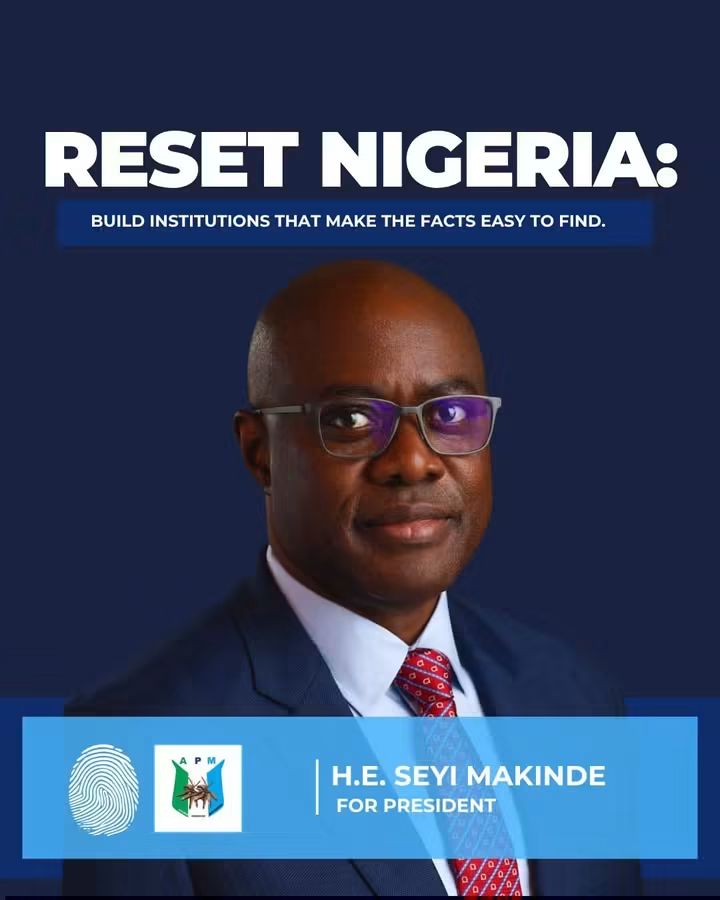
However, as history continues to unfold, another name is steadily establishing its place among the notable leaders who have shaped the destiny of Oyo State: Engr. Seyi Makinde, the incumbent Governor of Oyo State.
In my view, Governor Makinde’s administration represents a significant chapter in the modernisation of Oyo State, particularly Ibadan. His policies and infrastructural initiatives reflect an ambition to reposition the state as a major destination for industrial development, investment, and economic growth in the South-West.

One of the most important considerations behind this vision is Ibadan’s strategic location and proximity to Lagos, Nigeria’s commercial nerve centre. As Lagos continues to experience the pressures associated with rapid urbanisation, population growth, and increasing demand for infrastructure, Ibadan has the potential to emerge as an attractive alternative for businesses, industries, and investors seeking new opportunities.
Governor Makinde appears to have recognised this opportunity and is pursuing projects that could strengthen Ibadan’s competitiveness and prepare the city for greater economic activity.
Among these initiatives are the ongoing international expansion of Ibadan Airport, the ongoing construction of the Ibadan Circular Road, new-city and urban expansion developments, the Oyo State Government–Shell Nigeria Gas infrastructure development and distribution project, and the state’s independent power project.
These are not merely construction projects; they represent opportunities to reshape the economic future of Oyo State.
The Circular Road, in particular, has the potential to improve connectivity, ease traffic congestion, open up new areas for development, and attract businesses to locations beyond the traditional boundaries of Ibadan. If properly completed and supported by complementary infrastructure, it could become an important catalyst for industrial growth and urban expansion.
Similarly, the ongoing international airport development will strengthen connectivity, facilitate business travel, and improve access to regional and international markets. Its long-term impact, however, will depend on the completion of the necessary infrastructure, regulatory approvals, and the establishment of viable flight operations.

The gas infrastructure project also deserves special attention. Reliable energy supply is essential for industrialisation, and access to natural gas could help businesses reduce operating costs and improve productivity. While the delay in the project’s implementation is a concern, I remain hopeful that the outstanding issues will be resolved and work will resume, allowing the state to realise the project’s intended benefits.
The ongoing independent power project is another initiative with the potential to support economic development. A more reliable electricity supply would be particularly valuable to industries, commercial establishments, and small businesses that need affordable and dependable power to operate efficiently.
Taken together, these initiatives suggest a broader ambition: to prepare Ibadan and Oyo State for an era of increased investment, industrial expansion, and economic transformation.
The question, therefore, is no longer simply whether Ibadan can grow. It is whether the city can build on its historical advantages, strategic location, and emerging infrastructure to become one of the leading economic centres in the South-West.
I believe the answer is yes, provided these projects are completed, properly maintained, and supported by sound economic policies and an investment-friendly environment.

There are already growing conversations about Ibadan’s potential as an investment destination. The attention generated by the state’s development initiatives, alongside engagements involving African leaders and diplomatic representatives, has further highlighted Oyo State’s growing profile. Such attention is encouraging, although its lasting value will ultimately be measured by the investments, employment opportunities, and economic benefits it produces for the people.
For me, the significance of Governor Seyi Makinde’s administration lies not only in the projects being undertaken today but also in the possibilities they create for future generations.
Leadership should not be measured solely by the number of roads constructed, buildings erected, or projects commissioned. It should also be measured by the foundations laid for sustainable economic growth, the opportunities created for young people, the confidence inspired in investors, and the lasting improvements made to the lives of ordinary citizens.
If the current development agenda is successfully implemented and sustained beyond the present administration, its impact could extend far beyond the tenure of the governor who initiated it.
That is how enduring legacies are built.
Ibadan has a remarkable history, a strong entrepreneurial spirit, a rich cultural identity, and a strategic advantage that few cities in Nigeria can easily replicate. What the city needs is sustained planning, modern infrastructure, reliable energy, and the political will to translate its enormous potential into tangible prosperity.
Governor Seyi Makinde has made these aspirations an important part of his administration’s agenda. The ultimate verdict will depend on the delivery, sustainability, and long-term impact of the projects and policies currently being pursued.
Nevertheless, I strongly believe that if these initiatives achieve their intended objectives, Engr. Seyi Makinde will earn a prominent place among the leaders whose contributions shaped the history and development of Ibadan and Oyo State.
History is often generous to leaders who look beyond their immediate political ambitions and invest in the future of their people.
For this reason, I believe that Seyi Makinde’s name has the potential to be written in gold in the history of Ibadan and Oyo State, standing alongside the great figures whose contributions continue to inspire generations.
The future may yet determine the full extent of his legacy, but the foundations being pursued today could become an important part of the story of a more modern, industrialised, and economically prosperous Oyo State.
Otunba Yomi Ojo
Fiwajoye 1.